
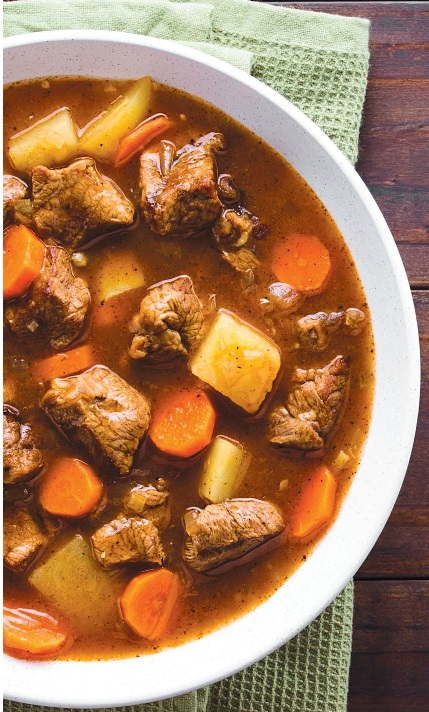
Moose Stew Recipe (Hearty, Traditional & Comforting)
When the weather turns cold and comfort food cravings hit, nothing compares to a warm bowl of Moose Stew. Rich, hearty, and deeply flavorful, this traditional stew is a celebration of slow cooking and wholesome ingredients. Moose meat is lean, tender when cooked properly, and packed with nutrients, making it an excellent choice for a nourishing family meal.
Whether you’re familiar with wild game cooking or trying it for the first time, this classic moose stew recipe is simple, satisfying, and perfect for cozy dinners.
Why You’ll Love This Moose Stew Recipe
-
Deep, rich flavor without heaviness
-
Naturally high in protein
-
Leaner than beef stew
-
Perfect for slow cooking
-
Ideal for cold weather meals
-
Freezer-friendly and meal-prep ready
This recipe transforms humble ingredients into a soul-warming dish that tastes even better the next day.
What Does Moose Meat Taste Like?
Moose meat has a mild, slightly sweet flavor, often compared to beef but leaner and cleaner in taste. When slow-cooked, it becomes incredibly tender and absorbs flavors beautifully. Because it’s low in fat, gentle cooking methods like stewing are ideal.
Ingredients for Moose Stew
Main Ingredients
-
2 lbs moose meat, cubed
-
2 tablespoons oil or butter
-
1 large onion, chopped
-
3 cloves garlic, minced
-
3 carrots, sliced
-
3 potatoes, cubed
-
2 celery stalks, sliced
Liquids & Seasoning
-
3 cups beef or game stock
-
1 cup water or red wine (optional)
-
2 tablespoons tomato paste
-
2 bay leaves
-
1 teaspoon dried thyme
-
1 teaspoon black pepper
-
Salt to taste
Optional Add-Ins
-
Mushrooms
-
Turnips or parsnips
-
Fresh herbs (rosemary or parsley)
Get easy,quick,homemade and delicious recipes every day, join our Facebook group 👇
Easy All Recipes Hub 🍽️
How to Make Moose Stew (Step-by-Step)
1. Brown the Moose Meat
Heat oil in a heavy pot or Dutch oven over medium heat. Add the moose meat in batches and brown on all sides. This step builds deep flavor.
2. Sauté the Aromatics
Remove meat and set aside. In the same pot, add onion and garlic. Cook until soft and fragrant.
3. Add Vegetables & Seasoning
Add carrots, celery, potatoes, tomato paste, thyme, bay leaves, salt, and pepper. Stir well.
4. Simmer Slowly
Return the meat to the pot. Pour in stock and water (or wine). Bring to a gentle boil, then reduce heat to low.
5. Cook Until Tender
Cover and simmer for 2½–3 hours, stirring occasionally, until the meat is fork-tender.
6. Adjust & Serve
Taste and adjust seasoning. Remove bay leaves and serve hot.
Slow Cooker Moose Stew Option
Moose stew is perfect for the slow cooker.
How to adapt:
-
Brown meat and onions first
-
Transfer everything to slow cooker
-
Cook on LOW for 7–8 hours or HIGH for 4–5 hours
Tips for the Best Moose Stew
-
Always brown the meat for deeper flavor
-
Don’t rush cooking—low and slow is key
-
Add salt gradually to avoid overpowering the meat
-
Avoid overcooking vegetables—add delicate ones later
Is Moose Stew Healthy?
Yes! Moose stew is incredibly nutritious.
Health Benefits
-
High in protein for muscle support
-
Low in fat compared to beef
-
Rich in iron, zinc, and B vitamins
-
Naturally filling and satisfying
It’s an excellent choice for those following high-protein, clean eating, or whole-food diets.
Nutrition Information (Approx. Per Serving)
| Nutrient | Amount |
|---|---|
| Calories | 320–380 kcal |
| Protein | 35–40 g |
| Fat | 6–9 g |
| Carbohydrates | 25–30 g |
| Fiber | 4–6 g |
| Iron | High |
Nutrition values vary depending on vegetables and portion size.
What to Serve with Moose Stew
-
Crusty bread or sourdough
-
Mashed potatoes
-
Steamed rice or barley
-
Simple green salad
Storage & Freezing Tips
-
Refrigerate leftovers for up to 3 days
-
Freeze for up to 3 months
-
Thaw overnight and reheat gently
Moose stew often tastes even better the next day as flavors deepen.
Frequently Asked Questions
Can I substitute moose with another meat?
Yes, venison or beef chuck work well, though moose is leaner.
Why is my moose meat tough?
It likely needs more time. Moose meat becomes tender with slow, moist cooking.
Can I make this without wine?
Absolutely. Use extra stock or water instead.
Final Thoughts
This Moose Stew recipe is rustic comfort food at its finest—simple ingredients, slow cooking, and rich, natural flavor. Whether served after a long day or shared around the table with family, it’s a dish that warms both body and soul.