
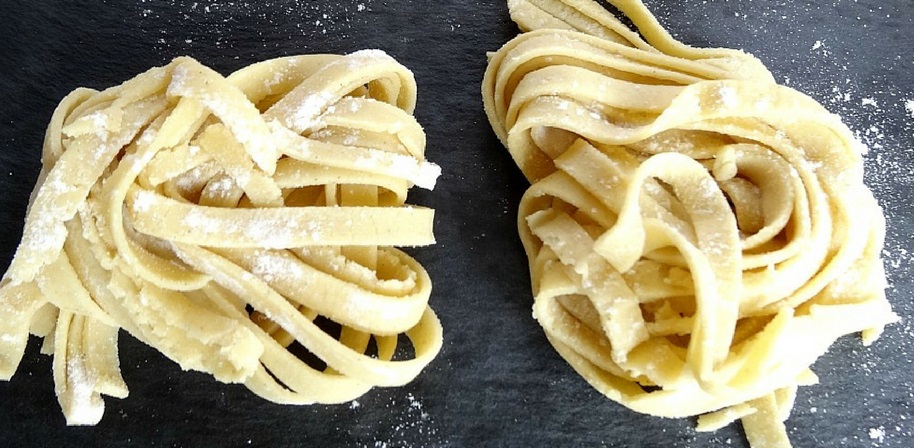
Homemade Gluten-Free Pasta: A Complete Step-by-Step Guide
Making homemade gluten-free pasta from scratch is one of those kitchen skills that feels impressive yet is surprisingly achievable. If you’ve ever missed the silky texture of fresh pasta after switching to a gluten-free diet, this recipe will be a total game-changer. With the right blend of flours and a few simple techniques, you can create pasta that’s tender, flexible, and full of flavor—without any gluten at all.
Whether you’re cooking for someone with celiac disease, gluten sensitivity, or simply exploring healthier alternatives, this guide will walk you through everything you need to know about making perfect gluten-free pasta at home.
Why Make Homemade Gluten-Free Pasta?
Store-bought gluten-free pasta has improved over the years, but it often falls short in texture and taste. Homemade gluten-free pasta offers several advantages:
-
Better texture – Fresh pasta is softer and less brittle
-
Custom flour blends – Control the ingredients you use
-
No additives or preservatives
-
More flavor – Especially when made with eggs
-
Diet-friendly – Easily adaptable for dairy-free or egg-free needs
Plus, making pasta from scratch is deeply satisfying and surprisingly therapeutic.
Best Gluten-Free Flours for Pasta
The secret to great gluten-free pasta lies in using the right combination of flours. Since gluten provides elasticity in traditional pasta, we need to recreate that structure using alternative ingredients.
Recommended Gluten-Free Flour Blend
A balanced blend works best:
-
Rice flour (white or brown) – Light and neutral
-
Tapioca starch – Adds stretch and chewiness
-
Potato starch – Softens the dough
-
Xanthan gum or psyllium husk – Mimics gluten elasticity
Tip: If your flour blend already contains xanthan gum, you don’t need to add extra.
Ingredients for Homemade Gluten-Free Pasta
Basic Gluten-Free Pasta Dough
-
1½ cups gluten-free all-purpose flour (with xanthan gum)
-
2 large eggs (room temperature)
-
1 tablespoon olive oil
-
½ teaspoon salt
-
2–4 tablespoons water (as needed)
This recipe creates a dough that’s easy to roll and shape, perfect for fettuccine, tagliatelle, or ravioli.
How to Make Gluten-Free Pasta Dough
Step 1: Mix the Dry Ingredients
In a large bowl, whisk together the gluten-free flour and salt. This ensures even seasoning and prevents clumps.
Step 2: Add Wet Ingredients
Make a well in the center and add the eggs and olive oil. Using a fork, slowly mix from the center outward, incorporating the flour bit by bit.
Step 3: Form the Dough
Once the dough begins to come together, use your hands to knead gently. Gluten-free dough doesn’t need heavy kneading—just enough to form a smooth, pliable ball.
If the dough feels dry or crumbly, add water one tablespoon at a time until it holds together.
Step 4: Rest the Dough
Wrap the dough tightly in plastic wrap and let it rest for 20–30 minutes at room temperature. This allows the flours to fully hydrate, making rolling much easier.
Rolling and Shaping Gluten-Free Pasta
Rolling by Hand
-
Divide dough into smaller portions
-
Place between two sheets of parchment paper
-
Roll evenly using a rolling pin until thin (about 1–2 mm)
Using a Pasta Machine
Gluten-free dough can be rolled through a pasta machine, but it requires care:
-
Dust lightly with rice flour
-
Start on the widest setting
-
Fold gently and roll again
Avoid rolling too thin, as gluten-free pasta is more delicate.
Cutting Gluten-Free Pasta
You can shape gluten-free pasta in many ways:
-
Fettuccine or tagliatelle – Slice rolled sheets into strips
-
Lasagna sheets – Cut into rectangles
-
Ravioli – Fill with cheese or vegetables
-
Pappardelle – Wider, rustic ribbons
Use a sharp knife or pizza cutter for clean edges.
Cooking Homemade Gluten-Free Pasta
Fresh gluten-free pasta cooks much faster than dried pasta.
Cooking Instructions
-
Bring a large pot of salted water to a gentle boil
-
Add pasta carefully
-
Cook for 2–4 minutes, stirring gently
-
Taste for doneness—tender but not mushy
-
Drain and serve immediately
Pro tip: Avoid overcooking, as gluten-free pasta can break down quickly.
Best Sauces for Gluten-Free Pasta
Homemade gluten-free pasta pairs beautifully with many sauces:
-
Classic tomato and basil sauce
-
Creamy Alfredo (gluten-free)
-
Garlic olive oil (aglio e olio)
-
Pesto sauce
-
Mushroom and spinach cream sauce
Because fresh pasta is delicate, lighter sauces work best.
Storage and Freezing Tips
Refrigeration
-
Dust lightly with flour
-
Store uncooked pasta in an airtight container
-
Use within 24–48 hours
Freezing
-
Lay pasta in a single layer on a tray
-
Freeze until solid
-
Transfer to freezer bags
-
Cook directly from frozen (add 1–2 minutes)
Common Mistakes to Avoid
-
Skipping the resting time
-
Rolling dough too thin
-
Using too much flour when rolling
-
Overcooking the pasta
-
Not using a binding agent like xanthan gum
Is Gluten-Free Pasta Healthier?
Gluten-free pasta isn’t automatically healthier, but homemade versions can be more nutritious when made with whole-grain flours and fresh ingredients. It’s especially beneficial for people with celiac disease or gluten intolerance.
Nutrition Information (Approximate per Serving)
Serving Size: 1 cup cooked gluten-free pasta
-
Calories: 220 kcal
-
Carbohydrates: 42 g
-
Protein: 7 g
-
Fat: 6 g
-
Fiber: 3 g
-
Sugar: 1 g
-
Sodium: 180 mg
Nutrition values vary depending on flour blend and portion size.
Frequently Asked Questions (FAQs)
Can I Make Gluten-Free Pasta Without Eggs?
Yes! Replace eggs with:
-
½ cup warm water
-
1 tablespoon olive oil
-
Add psyllium husk for structure
What’s the Best Gluten-Free Flour for Pasta?
A blend of rice flour, tapioca starch, and potato starch works best for texture and flavor.
Does Gluten-Free Pasta Taste Different?
Homemade gluten-free pasta has a mild, neutral flavor and absorbs sauces beautifully.
Can I Dry Gluten-Free Pasta?
It’s not recommended. Gluten-free pasta is best cooked fresh or frozen.
Final Thoughts
Homemade gluten-free pasta is proof that a gluten-free diet doesn’t mean giving up comfort foods. With the right ingredients and techniques, you can enjoy fresh, tender pasta that rivals traditional versions—right from your own kitchen.