
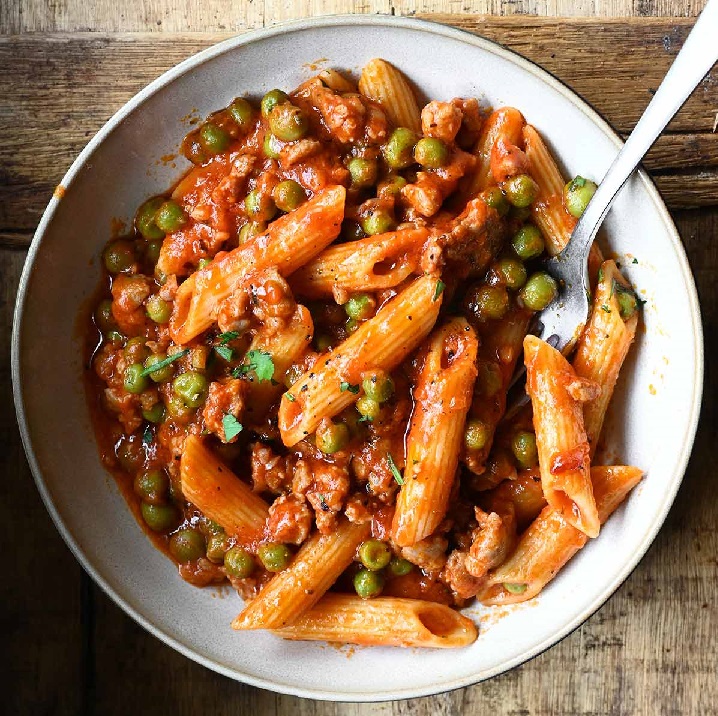
Pasta e Piselli (Italian Pasta with Peas): A Classic Comfort Food Recipe
If there’s one dish that perfectly captures the heart of Italian home cooking, it’s Pasta e Piselli. Simple, budget-friendly, and deeply comforting, this traditional Italian pasta with peas proves that you don’t need fancy ingredients to create something truly delicious.
Made with pantry staples like pasta, peas, olive oil, and onion, Pasta e Piselli is a humble one-pot meal that’s been cooked in Italian kitchens for generations. It’s creamy without cream, satisfying without being heavy, and endlessly adaptable depending on what you have on hand.
Whether you’re looking for a quick weeknight dinner, a cozy meatless meal, or an authentic Italian recipe to add to your rotation, this Pasta e Piselli recipe is exactly what you need.
What Is Pasta e Piselli?
Pasta e Piselli literally translates to pasta and peas. It’s a traditional dish from Southern Italy, especially popular in regions like Campania and Sicily. Unlike pasta dishes served with thick sauces, Pasta e Piselli is cooked more like a risotto or pasta-soup hybrid.
The pasta is cooked directly in broth with the peas, releasing starches that naturally thicken the liquid into a creamy, comforting sauce. This technique makes the dish rich and satisfying—without using cream or butter.
Traditionally, Pasta e Piselli is a “cucina povera” recipe, meaning “poor kitchen” food. These dishes were created to stretch simple ingredients while still delivering big flavor—and they remain some of the most beloved Italian recipes today.
Why You’ll Love This Pasta e Piselli Recipe
-
One-pot meal – fewer dishes, more flavor
-
Budget-friendly – uses affordable pantry staples
-
Naturally creamy – no cream required
-
Quick and easy – ready in about 25 minutes
-
Customizable – make it vegetarian, vegan, or with pancetta
This is the kind of recipe you’ll come back to again and again.
Ingredients for Pasta e Piselli
This recipe serves 2–3 people.
Basic Ingredients
-
200 g small pasta (ditalini, tubetti, small shells, or elbow pasta)
-
1½ cups peas (fresh or frozen)
-
2 tablespoons extra-virgin olive oil
-
1 small onion, finely chopped
(or 1–2 garlic cloves, minced) -
2½–3 cups vegetable broth or chicken broth
-
Salt, to taste
-
Freshly ground black pepper, to taste
Optional Add-Ins
-
2 tablespoons grated Parmesan or Pecorino Romano
-
Red chili flakes for heat
-
Fresh parsley or basil
-
Pancetta or bacon (for a non-vegetarian version)
Best Pasta for Pasta e Piselli
Choosing the right pasta is key. Small pasta shapes work best because they cook evenly and absorb the broth beautifully.
Best options include:
-
Ditalini
-
Tubetti
-
Small shells
-
Elbow macaroni
Avoid long pasta like spaghetti or fettuccine—this dish is all about spoon-friendly comfort.
How to Make Pasta e Piselli (Step-by-Step)
1. Sauté the Aromatics
Heat the olive oil in a wide saucepan or deep skillet over medium heat. Add the chopped onion and cook for 3–4 minutes until soft and translucent. Avoid browning—it should be gently sweet and fragrant.
If using garlic instead, sauté briefly until just aromatic.
2. Add the Peas
Stir in the peas and cook for 2–3 minutes, allowing them to absorb the flavor of the olive oil and onion.
If using frozen peas, there’s no need to thaw them first.
3. Add Broth and Simmer
Pour in the broth and season lightly with salt. Bring the mixture to a gentle simmer and cook for about 5 minutes so the peas soften and flavor the liquid.
4. Cook the Pasta in the Sauce
Add the pasta directly into the pan. Stir well and cook uncovered, stirring frequently to prevent sticking.
As the pasta cooks, it will release starch into the broth, creating a creamy consistency. Add more broth or water if needed, a little at a time.
5. Adjust Texture and Seasoning
Cook until the pasta is al dente and the sauce is thick and silky. Season with black pepper and adjust salt to taste.
For extra creaminess, lightly mash a few peas with the back of a spoon.
6. Finish and Serve
Remove from heat. Stir in grated cheese if using, drizzle with extra olive oil, and garnish with herbs or chili flakes.
Serve immediately while warm and comforting.
Traditional vs Modern Versions
Traditional Italian Pasta e Piselli is often:
-
Very simple
-
Sometimes cheese-free
-
Slightly soupy in texture
Modern variations may include:
-
Parmesan or Pecorino cheese
-
Pancetta or bacon
-
Garlic instead of onion
Both versions are delicious—it’s all about personal preference.
Pasta e Piselli Variations
Pasta e Piselli with Pancetta
Sauté diced pancetta in olive oil until crispy before adding the onion. This adds a smoky, savory depth.
Vegan Pasta e Piselli
Use vegetable broth and skip the cheese. Finish with a generous drizzle of olive oil for richness.
Creamy Pasta e Piselli (No Cream)
Mash extra peas or add a splash of pasta cooking liquid to enhance the creamy texture naturally.
Soupier Style
Add more broth to create a pasta-soup consistency, perfect for colder days.
Tips for Perfect Pasta e Piselli
-
Stir frequently to prevent sticking
-
Use warm broth so cooking stays even
-
Don’t overcook—al dente pasta is key
-
Small pasta shapes make all the difference
This dish is meant to be rustic, not dry or overly thick.
Is Pasta e Piselli Healthy?
Yes! Pasta e Piselli is a nutritious, balanced meal.
Health Benefits
-
Peas provide fiber, protein, and vitamins
-
Olive oil offers heart-healthy fats
-
Can easily be made vegetarian or vegan
-
Lower in fat compared to cream-based pasta dishes
You can also use whole-wheat or gluten-free pasta if needed.
How to Store and Reheat
Storage:
Store leftovers in an airtight container in the refrigerator for up to 3 days.
Reheating:
Reheat gently on the stove with a splash of water or broth, stirring until creamy again.
Frequently Asked Questions
Can I use frozen peas?
Yes! Frozen peas work perfectly and are traditionally used in many Italian homes.
Can I make this gluten-free?
Absolutely. Use gluten-free small pasta and monitor liquid levels closely.
Is Pasta e Piselli supposed to be creamy?
Yes, but not heavy. The creaminess comes from pasta starch—not cream.
Can I add cheese?
Yes, though some traditional versions skip it. Parmesan or Pecorino Romano both work well.
Final Thoughts
Pasta e Piselli is proof that the simplest recipes are often the most comforting. With just a handful of ingredients and one pot, you get a dish that’s creamy, satisfying, and full of authentic Italian flavor.
Whether you grew up eating it or you’re discovering it for the first time, this Italian pasta with peas deserves a place on your table.