
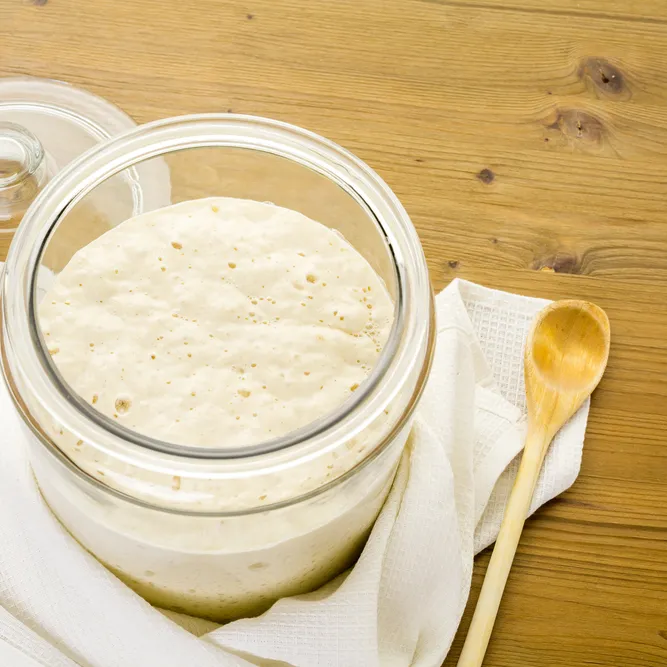
How to Make a Sourdough Starter from Scratch (Beginner-Friendly Guide)
Making your own sourdough starter at home is easier than you think—and once you do, it opens the door to naturally fermented bread, cinnamon rolls, pizza dough, pancakes, and more. A sourdough starter is simply flour and water fermented over time to capture wild yeast and beneficial bacteria from the environment. With a little patience and daily feeding, you’ll have a bubbly, active starter ready for baking.
This complete guide will walk you through how to make a sourdough starter from scratch, how to maintain it, troubleshoot common problems, and know exactly when it’s ready to use.
What Is a Sourdough Starter?
A sourdough starter is a natural leavening agent made from flour and water. Over several days, wild yeast and lactic acid bacteria develop, allowing the starter to ferment and rise dough without commercial yeast. This fermentation process gives sourdough its signature tangy flavor, chewy texture, and improved digestibility.
Why Make Your Own Sourdough Starter?
-
No commercial yeast needed
-
Better flavor and texture
-
Improved digestion due to fermentation
-
Budget-friendly and sustainable
-
Endless baking possibilities
Once established, a sourdough starter can last for years with proper care.
Ingredients Needed
You only need two simple ingredients:
-
Flour: Whole wheat flour or all-purpose flour
-
Water: Room-temperature, non-chlorinated water
Optional Tools
-
Glass jar (500–750 ml)
-
Spoon or spatula
-
Rubber band (to track growth)
Day-by-Day Sourdough Starter Recipe
Day 1: Create the Base
-
½ cup flour
-
¼ cup water
Mix flour and water in a glass jar until it forms a thick, smooth batter. Scrape down the sides and loosely cover the jar (do not seal airtight). Place it in a warm spot (22–26°C / 72–78°F).
Day 2: First Feeding
You may or may not see bubbles—both are normal.
Add:
-
½ cup flour
-
¼ cup water
Stir well, cover loosely, and let rest for 24 hours.
Day 3: Discard & Feed
Your starter may begin to smell slightly sour or fruity.
-
Discard half of the starter
-
Feed with:
-
½ cup flour
-
¼ cup water
-
Mix, cover, and rest.
Day 4: Growth & Activity
You should see more bubbles and some rise.
-
Discard half
-
Feed:
-
½ cup flour
-
¼ cup water
-
If your kitchen is cool, place the starter in a warmer spot.
Day 5: Starter Ready Check
Your starter is ready if it:
-
Doubles in size within 4–6 hours
-
Has visible bubbles throughout
-
Smells tangy but pleasant
If not quite there, continue feeding daily for 1–2 more days.
How to Know Your Sourdough Starter Is Active
✔ Bubbles throughout the jar
✔ Consistent rise and fall
✔ Slightly sour, yeasty aroma
✔ Optional float test (a spoonful floats in water)
How to Maintain a Sourdough Starter
Room Temperature Maintenance
Feed daily:
-
Discard half
-
Add:
-
½ cup flour
-
¼ cup water
-
Best if you bake frequently.
Refrigerator Maintenance
Perfect for occasional bakers.
-
Feed once per week
-
Store covered in the fridge
-
Before baking: bring to room temperature and feed 1–2 times
Common Sourdough Starter Problems & Fixes
No Bubbles
-
Use whole wheat flour
-
Move to a warmer location
-
Be patient—natural fermentation takes time
Strong Vinegar Smell
-
Starter is hungry
-
Feed more frequently
Watery Texture
-
Add a bit more flour to thicken
Dark Liquid (Hooch)
-
Completely normal
-
Stir in or pour off, then feed
Best Flour for Sourdough Starter
-
Whole wheat flour (best for beginners)
-
All-purpose flour
-
Rye flour (very active but strong flavor)
You can switch flours later once the starter is established.
Tips for a Strong, Healthy Starter
-
Use filtered or boiled-then-cooled water
-
Feed at the same time daily
-
Mark jar with a rubber band to track growth
-
Don’t use metal lids for long storage
-
Keep jar clean to prevent mold
How Long Does Sourdough Starter Last?
With regular feeding, a sourdough starter can last indefinitely. Some starters are passed down through generations!
What Can You Make with Sourdough Starter?
-
Sourdough bread
-
Cinnamon rolls
-
Pizza dough
-
Pancakes & waffles
-
Crackers
-
English muffins
Once your starter is active, the baking possibilities are endless.
Nutrition Benefits of Sourdough Starter
Sourdough fermentation:
-
Improves mineral absorption
-
Reduces phytic acid
-
Enhances gut health
-
Lowers glycemic response compared to yeast bread
Frequently Asked Questions
Can I use tap water?
Yes, but chlorine can slow fermentation. Let it sit for a few hours before using.
Can I make a starter gluten-free?
Yes, using gluten-free flour blends, though results vary.
Is mold normal?
No. If you see fuzzy mold, discard and start over.
Final Thoughts
Making a sourdough starter from scratch is a rewarding process that connects you to traditional baking methods. With just flour, water, and time, you’ll create a natural leaven that transforms your baking forever. Once your starter is alive and active, every loaf and roll will taste better—and feel more satisfying.
[…] Naturally leavened with sourdough starter […]